


Introduction
A patient in a small town receives a serious diagnosis. The nearest specialist is hours away, and the world’s leading experts on that exact condition are on another continent. A decade ago, getting their opinion meant expensive travel, weeks of waiting, and stacks of paper records. In 2026, it can mean securely sharing scans and reports online and receiving an expert review in days.
Virtual second opinion services, supported by AI, are changing how patients access specialist knowledge across borders. In this post, we look at how these services work, what role AI plays, the benefits they offer, and the risks patients and providers should understand.
WhatIs a Virtual Second Opinion?
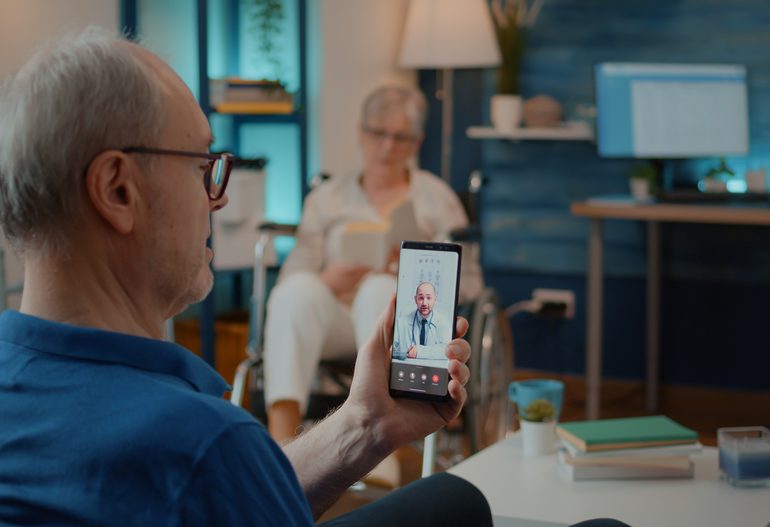
A virtual second opinion is a remote review of a patient’s diagnosis and treatment plan by a specialist who is not directly involved in their care. Instead of traveling, the patient (or their doctor) shares medical records, imaging, lab results, and pathology reports digitally, and the reviewing specialist responds with an independent assessment.
This is especially valuable for:
Cancer diagnoses and treatment planning
Rare or complex conditions
Major surgery recommendations
Cases where the diagnosis is uncertain or treatment options are unclear
How AI Supports the Process
AI does not replace the reviewing specialist. It supports the process at several points.
1. Organizing and Summarizing Records
Medical records often arrive as scattered PDFs, scanned reports, and images. AI tools can extract key information, build a structured timeline, and flag missing documents, so specialists spend their time on judgment rather than paperwork.
2. MedicalImaging Analysis
AI-assisted imaging tools can highlight regions of concern in X-rays, CT scans, MRIs, and pathology slides, helping reviewers focus on the most relevant findings.
3. LanguageTranslation
Records and consultations often cross language barriers. AI translation helps patients understand specialist feedback and helps specialists read records written in another language. Medical translation still needs human verification, since small errors can change meaning.
4. Matching Patients with the Right Specialist
Some platforms use AI to match a case with a specialist who has experience in that specific condition or subspecialty, rather than just a general expert.
5.Evidence Support
AI-powered clinical decision support tools can help reviewers quickly cross-check guidelines and recent research relevant to the case.
Benefits for Patients
Access to expertise: patients in remote or under-resourced areas can reach specialists they could not otherwise consult.
Confidence in decisions: a second opinion can confirm a diagnosis or reveal alternatives, helping patients feel more certain about major decisions.
Lower cost and less travel: remote review is generally far cheaper and less disruptive than traveling abroad for a consultation.
Speed: digital record sharing and AI-assisted preparation can shorten the time to a response.
Fewer unnecessary procedures: in some cases, a second opinion leads to a less invasive treatment path.
Benefits for Healthcare Systems
Hospitals can extend their reach to international patients without requiring an initial in-person visit.
Local doctors can collaborate with global experts on difficult cases, which supports professional learning.
Medical tourism providers can pre-assess patients, making travel decisions better informed.
Challenges and Risks
Virtual second opinions are powerful, but they come with real limitations.
1. Data privacy and cross-border regulation: medical data moving between countries falls under different laws (such as HIPAA in the US and GDPR in Europe). Patients should confirm how a platform stores, protects, and shares their data.
2. Incomplete information: a remote specialist cannot perform a physical exam. Poor quality images or missing records can limit the accuracy of the opinion. 3. Legal and licensing questions: rules on practicing medicine across borders vary, and it is often unclear which country’s standards and liability rules apply.
4. AI bias and errors: AI tools trained on data from limited populations may perform less well for patients from other backgrounds. Human specialists must remain the final decision-makers.
5. Continuity of care: a second opinion is advice, not ongoing treatment. Patients still need a local doctor to coordinate follow-up, and conflicting opinions need to be reconciled carefully.
6. Quality and trust: not every online service is equal. Some are run by leading institutions, while others have limited oversight.
How to Choose a Virtual Second Opinion Service
Before sharing your records, consider checking:
Credentials: are the reviewing specialists board-certified and affiliated with recognized institutions?
Process: will a qualified physician review your case, and does AI only assist?
Privacy: is there a clear policy on data storage, encryption, and sharing?
Transparency: are fees, timelines, and the scope of the opinion clearly stated?
Follow-up: can you discuss the opinion with the specialist or share it with your own doctor?
The Future ofBorderless Care
Looking ahead, we can expect:
Tighter integration between electronic health records and secure sharing platforms, reducing manual paperwork
Better multilingual AI tools that make cross-border consultations smoother Clearer international frameworks on data protection and cross-border telemedicine Hybrid care models, where virtual review guides decisions and local providers deliver treatment
Greater emphasis on independent evaluation ofAI tools used in these services
Conclusion
AI-enabled virtual second opinions are making expert medical knowledge far more accessible, giving patients more voice and confidence in critical health decisions. But technology is only the delivery method. The value still comes from qualified physicians, sound privacy protections, and honest communication about what a remote review can and cannot do. Used thoughtfully, these services can help bring world-class expertise to patients wherever they live.
Disclaimer: This article is for general information only and is not medical advice. Always consult a qualified healthcare professional about your condition.