


Introduction
Cancer treatment has evolved significantly over the last few years, and one of the most promising breakthroughs in modern oncology is CAR-T Cell Therapy. This advanced form of immunotherapy has transformed the way certain blood cancers are treated, especially in patients who do not respond well to chemotherapy, radiation therapy, or stem cell transplant.
Unlike conventional cancer treatments that directly target tumors, CAR-T therapy works by strengthening and modifying the patient’s own immune system to identify and destroy cancer cells more effectively. The treatment has shown highly encouraging results in several types of blood cancers and is now being offered in leading cancer hospitals across India.
India is rapidly becoming a preferred destination for CAR-T Cell Therapy because of advanced healthcare infrastructure, internationally trained oncologists, and comparatively affordable treatment costs. Patients from India as well as international countries are now exploring this revolutionary therapy for better treatment outcomes and improved quality of life.
What is CAR-T Cell Therapy?
CAR-T stands for Chimeric Antigen Receptor T-cell Therapy. It is a personalized cancer treatment that uses the patient’s own immune cells to fight cancer.
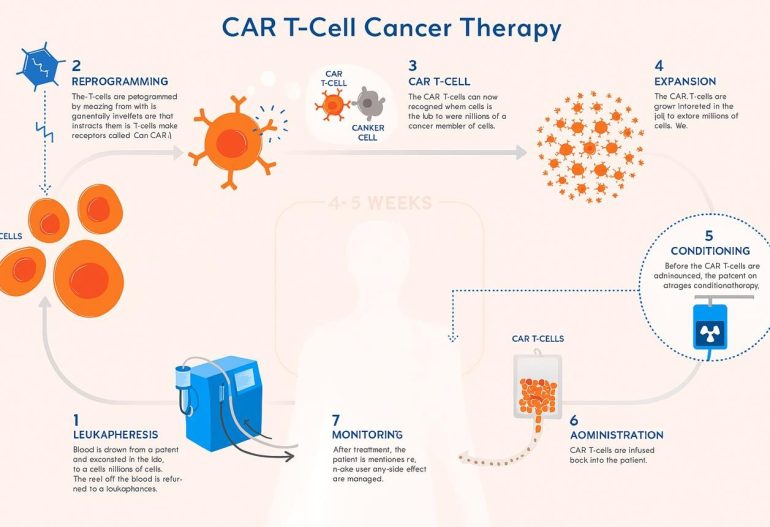
T-cells are an important part of the immune system and help the body identify harmful cells and infections. In CAR-T therapy, doctors collect these T-cells from the patient’s blood and genetically engineer them in a laboratory so they can recognize specific cancer cells more accurately.
After modification, millions of these engineered CAR-T cells are multiplied and infused back into the patient’s body. Once inside the bloodstream, the cells begin locating and attacking cancer cells directly.
This therapy has become particularly effective for blood cancers such as:
- Acute Lymphoblastic Leukemia (ALL)
- Non-Hodgkin Lymphoma
- Diffuse Large B-Cell Lymphoma
- Multiple Myeloma
Researchers are also studying its effectiveness in treating solid tumors and other advanced cancers.
Types of CAR-T Cell Therapy
Different CAR-T therapies are designed to target specific cancer markers. The type of therapy depends on the patient’s diagnosis and medical condition.
CD19 CAR-T Therapy
CD19 CAR-T Therapy is commonly used for leukemia and lymphoma. It targets the CD19 protein found on the surface of certain cancerous blood cells. This is one of the most widely used forms of CAR-T treatment globally.
BCMA CAR-T Therapy
BCMA CAR-T Therapy is mainly used for Multiple Myeloma. It targets a protein called BCMA present on malignant plasma cells.
Experimental and Emerging CAR-T Therapies
Scientists are currently researching newer CAR-T treatments for:
- Lung Cancer
- Breast Cancer
- Brain Tumors
- Ovarian Cancer
- Gastric Cancer
These emerging therapies may expand the future use of CAR-T treatment in oncology.

CAR-T Cell Therapy Procedure
The CAR-T Cell Therapy process usually involves multiple stages and may take several weeks from start to finish.
Initial Consultation and Evaluation
The treatment begins with a complete medical assessment. Doctors perform:
- Blood tests
- Bone marrow analysis
- PET/CT scans
- Biopsy review
- Organ function tests
This helps specialists determine whether the patient is suitable for CAR-T therapy.
T-Cell Collection (Leukapheresis)
Once approved for treatment, T-cells are collected from the patient’s blood through a process called leukapheresis. During this procedure, blood is drawn from the patient, T-cells are separated, and the remaining blood is returned to the body.
The process usually takes a few hours and does not require major surgery.
Genetic Engineering of T-Cells
The collected T-cells are sent to a specialized laboratory where they are genetically modified to create CAR-T cells. These engineered cells are designed to recognize and attack cancer cells more efficiently.
Cell Expansion
The modified CAR-T cells are multiplied in the laboratory until millions of cells are ready for infusion.
Chemotherapy Before Infusion
Before the CAR-T cells are infused back into the body, patients may receive low-dose chemotherapy. This step helps prepare the immune system and improves the effectiveness of the treatment.
CAR-T Cell Infusion
The engineered CAR-T cells are infused into the patient through an intravenous (IV) line. After entering the bloodstream, these cells begin multiplying and targeting cancer cells.
Monitoring Phase
Patients are closely monitored for side effects and treatment response. Some patients may require ICU monitoring depending on their condition and immune response.
Cost of CAR-T Cell Therapy in India
The cost of CAR-T Cell Therapy in India varies depending on several factors including:
- Type of cancer
- Hospital infrastructure
- Complexity of the case
- ICU requirements
- Length of hospital stay
- Diagnostic tests and medications
Estimated Treatment Cost
The average cost of CAR-T Cell Therapy in India may range between:
- INR 35 Lakhs to INR 1 Crore or more
Although the treatment is expensive, India still offers significantly lower costs compared to countries like the USA, UK, or Europe where CAR-T therapy can cost several crores.
Many hospitals in India also provide international patient support, customized treatment packages, and financial guidance for overseas patients.
Indications for CAR-T Cell Therapy
Doctors may recommend CAR-T therapy in cases where conventional treatments have not produced successful outcomes.
Common indications include:
- Relapsed leukemia
- Recurrent lymphoma
- Resistant blood cancers
- Multiple myeloma
- Patients not responding to chemotherapy
- Cancer recurrence after stem cell transplant
Eligibility depends on the patient’s overall health condition, cancer stage, and previous treatment history.
Benefits of CAR-T Cell Therapy
CAR-T therapy has become highly promising because of its targeted and personalized approach.
Personalized Treatment
The therapy uses the patient’s own immune cells, making it a highly customized treatment.
Effective Against Resistant Cancers
Patients who fail traditional treatments may still respond positively to CAR-T therapy.
Long-Term Remission
Some patients experience prolonged remission and significant reduction in cancer activity after treatment.
Targeted Action
Unlike chemotherapy, CAR-T therapy specifically attacks cancer cells while reducing damage to healthy tissues.
Advanced Innovation in Cancer Care
It represents one of the most advanced developments in immunotherapy and precision medicine.
Risks and Side Effects
Like any advanced medical treatment, CAR-T Cell Therapy also has certain risks and complications.
Cytokine Release Syndrome (CRS)
This is one of the most common side effects and occurs when the immune system becomes highly activated.
Symptoms may include:
- High fever
- Breathing difficulty
- Low blood pressure
- Fatigue
- Rapid heartbeat
Neurological Side Effects
Some patients may experience:
- Headache
- Confusion
- Memory problems
- Speech difficulties
- Dizziness
Low Blood Cell Counts
Patients may temporarily develop low platelet counts or low white blood cell counts, increasing infection risk.
Infections
Because the immune system becomes weakened temporarily, patients are more vulnerable to infections during recovery.
Most side effects are manageable when treatment is performed under experienced oncology teams.
Recovery After CAR-T Cell Therapy
Recovery differs from patient to patient depending on the type of cancer, immune response, and overall health condition.
Hospital Recovery
Patients may remain under observation for several days or weeks after infusion to monitor complications and treatment response.
Follow-Up Monitoring
Doctors regularly perform:
- Blood tests
- Imaging scans
- Bone marrow evaluations
- Immune system monitoring
Lifestyle Recommendations During Recovery
Patients are usually advised to:
- Maintain a healthy diet
- Stay hydrated
- Avoid crowded places initially
- Follow medication schedules carefully
- Attend regular follow-up appointments
Many patients gradually return to their normal routine within a few weeks to months.
Why Choose India for CAR-T Cell Therapy?
India has emerged as a trusted destination for advanced cancer treatment because of:
- Experienced oncologists and hematologists
- International-standard cancer hospitals
- Modern laboratory facilities
- Affordable treatment costs
- Personalized patient care
- Shorter waiting periods
Several leading hospitals in India are now offering world-class CAR-T programs with advanced monitoring and support systems.
Conclusion
CAR-T Cell Therapy is changing the future of cancer treatment by using the body’s own immune system to fight cancer more effectively. For patients suffering from difficult or recurrent blood cancers, this therapy offers new hope and improved treatment possibilities.
With advanced oncology centers, skilled medical teams, and cost-effective healthcare services, India is becoming one of the leading destinations for CAR-T Cell Therapy. Patients considering this treatment should consult experienced cancer specialists to understand eligibility, treatment outcomes, risks, and long-term recovery expectations before starting therapy.

