


Introduction
Cryoablation is an advanced minimally invasive treatment used to destroy abnormal tissues and tumors by exposing them to extremely cold temperatures. Over the last few years, this procedure has become increasingly popular because it offers an effective alternative to traditional surgery with less pain, smaller incisions, faster recovery, and fewer complications.
The procedure is commonly used for treating various types of tumors and medical conditions, including kidney tumors, liver tumors, lung tumors, prostate cancer, bone tumors, and certain heart rhythm disorders. Because of its precision and safety, cryoablation is now widely performed in leading super speciality hospitals and cancer centers across India.
For many patients, especially elderly individuals or those who are not suitable candidates for major surgery, cryoablation provides a safer and more comfortable treatment option with shorter hospital stays and quicker return to normal life.
What is Cryoablation?
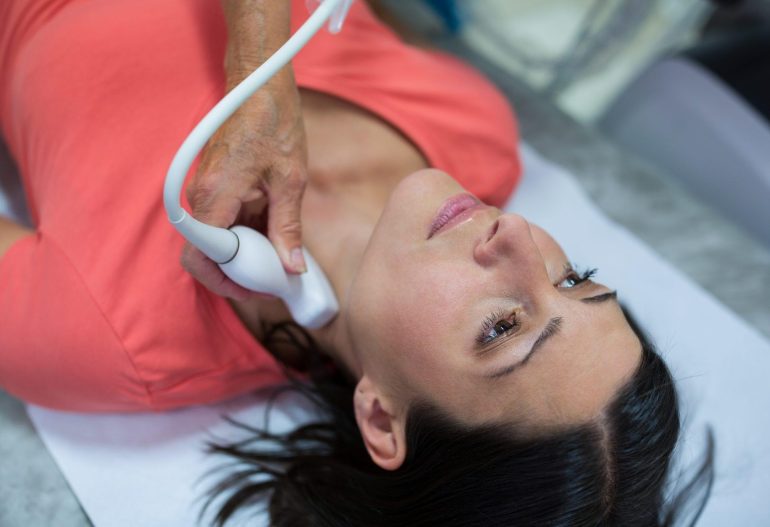
Cryoablation is a medical procedure that uses extreme cold to freeze and destroy abnormal cells or diseased tissues inside the body. The treatment is performed using a specialized thin probe called a cryoprobe, which is inserted directly into the targeted area under imaging guidance.
During the procedure, gases such as liquid nitrogen or argon gas are used to create extremely low temperatures that form an “ice ball” around the abnormal tissue. This freezing process damages and destroys cancer cells or problematic tissue while minimizing injury to surrounding healthy structures.
Because of its highly targeted approach, cryoablation is considered one of the most effective minimally invasive treatments available today for selected tumors and medical conditions.
Conditions Treated with Cryoablation
Cryoablation is used in several medical specialties and is effective for many different conditions.
Cancer Treatment
Cryoablation is commonly recommended for:
- Kidney tumors
- Liver cancer
- Lung tumors
- Bone tumors
- Breast tumors
- Prostate cancer
It is especially useful for patients with small or localized tumors.
Pain Management
Doctors may also use cryoablation to reduce severe pain caused by nerve-related conditions or cancer spread to bones.
Cardiac Conditions
In some cases, cryoablation is used to treat abnormal heart rhythms such as atrial fibrillation by targeting tissues causing irregular electrical signals in the heart.
Indications for Cryoablation
Doctors may recommend cryoablation in the following situations:
- Patients who are not suitable for major surgery
- Small and localized tumors
- Recurrent tumors after previous treatment
- Patients requiring minimally invasive treatment
- Elderly patients with higher surgical risks
- Tumors located in difficult surgical areas
The decision depends on the patient’s medical condition, tumor size, overall health, and diagnostic reports.
Preparation Before Cryoablation
Before the procedure, doctors perform a complete medical evaluation to ensure patient safety and treatment success.
Medical Tests and Evaluation
Patients may require:
- Blood tests
- CT scan or MRI
- Ultrasound imaging
- ECG and heart evaluation
- Biopsy reports
These investigations help doctors understand the exact location and size of the abnormal tissue.
Medication Review
Certain medications such as blood thinners may need to be stopped temporarily before treatment to reduce bleeding risk.
Fasting Before Procedure
Patients are usually advised not to eat or drink for several hours before the procedure, especially if anesthesia will be used.
Consultation with Specialists
Doctors explain the treatment plan, possible risks, expected outcomes, and post-procedure care before starting treatment.
Cryoablation Procedure
The cryoablation procedure is generally performed in an interventional radiology or surgical suite using advanced imaging technology.
Step 1: Anesthesia
Depending on the treatment area and complexity, local anesthesia, sedation, or general anesthesia may be used.
Step 2: Imaging Guidance
Doctors use CT scan, MRI, or ultrasound imaging to guide the cryoprobe accurately into the abnormal tissue.
Step 3: Probe Placement
A thin cryoprobe is inserted through a small incision into the targeted area.
Step 4: Freezing Process
Extremely cold gas passes through the probe, creating a freezing zone or “ice ball” around the tissue. The freezing and thawing cycles destroy abnormal cells effectively.

Step 5: Monitoring and Completion
Doctors carefully monitor the treatment area during the procedure to ensure precise targeting and minimal damage to nearby organs.
The procedure duration may vary depending on the condition being treated.
Benefits of Cryoablation
Cryoablation offers several important advantages over traditional surgery and some other cancer treatments.
Minimally Invasive Treatment
The procedure requires only small incisions, reducing surgical trauma and pain.
Faster Recovery
Patients usually recover more quickly compared to open surgery and may return home sooner.
Reduced Pain and Bleeding
Because the treatment is less invasive, there is generally less postoperative discomfort and lower bleeding risk.
Precision Treatment
Cryoablation allows doctors to target tumors accurately while preserving surrounding healthy tissues.
Shorter Hospital Stay
Many patients can be discharged within one or two days depending on the procedure complexity.
Suitable for High-Risk Patients
Cryoablation is often recommended for patients who may not tolerate major surgery due to age or medical conditions.
Cost of Cryoablation in India
The cost of cryoablation in India depends on several factors including:
- Type and size of the tumor
- Organ being treated
- Hospital infrastructure
- Number of treatment sessions
- ICU or hospitalization requirements
- Imaging and diagnostic tests
Estimated Cost Range
The approximate cost of cryoablation treatment in India may range between:
- INR 2 Lakhs to INR 8 Lakhs or more
Despite offering advanced medical technology, India provides comparatively affordable treatment costs compared to many Western countries.
Risks and Complications of Cryoablation
Although cryoablation is considered safer than major surgery, some risks and side effects may still occur.
Possible Complications Include:
- Bleeding
- Infection
- Swelling
- Temporary pain
- Nerve irritation
- Damage to nearby tissues or organs
- Rare allergic reaction to anesthesia
Most complications are manageable when the procedure is performed by experienced specialists in advanced medical centers.
Recovery After Cryoablation
Recovery after cryoablation is generally quicker and more comfortable compared to traditional surgery.
Immediate Recovery
Patients are monitored for several hours after the procedure to observe pain levels, bleeding, and overall stability.
Home Care and Recovery
Doctors may recommend:
- Adequate rest
- Drinking plenty of fluids
- Avoiding heavy physical activity for a few days
- Taking prescribed medications regularly
- Attending follow-up appointments
Follow-Up Imaging
CT scans, MRI, or ultrasound examinations are usually performed after treatment to evaluate treatment success and monitor recovery.
Most patients can gradually return to routine activities within a few days to weeks depending on the treatment area and overall health condition.
Why Choose India for Cryoablation Treatment?
India has become a preferred destination for advanced minimally invasive treatments because of:
- Experienced interventional radiologists and oncologists
- Modern imaging and surgical technologies
- Affordable treatment packages
- International patient care services
- High-quality hospital infrastructure
- Faster appointment availability
Many leading hospitals in India now offer advanced cryoablation procedures with multidisciplinary medical teams and personalized patient care.
Conclusion
Cryoablation is an advanced minimally invasive treatment that offers an effective and safer alternative to traditional surgery for many tumors and medical conditions. With benefits such as smaller incisions, reduced pain, quicker recovery, and precise targeting, the procedure has become an important option in modern cancer and interventional treatment.
India continues to emerge as a trusted destination for cryoablation because of its experienced specialists, advanced healthcare facilities, and affordable treatment costs. Patients considering this procedure should consult experienced medical professionals to understand eligibility, treatment outcomes, risks, and recovery expectations before proceeding with treatment.

